Available courses

CE2021 S6 TRANSPORTATION ENGINEERING (NOEL)
Transportation engineering is a sub-discipline of civil engineering which deals with the application of technology and scientific principles to the planning, functional design, operation and management of facilities for any mode of transportation.
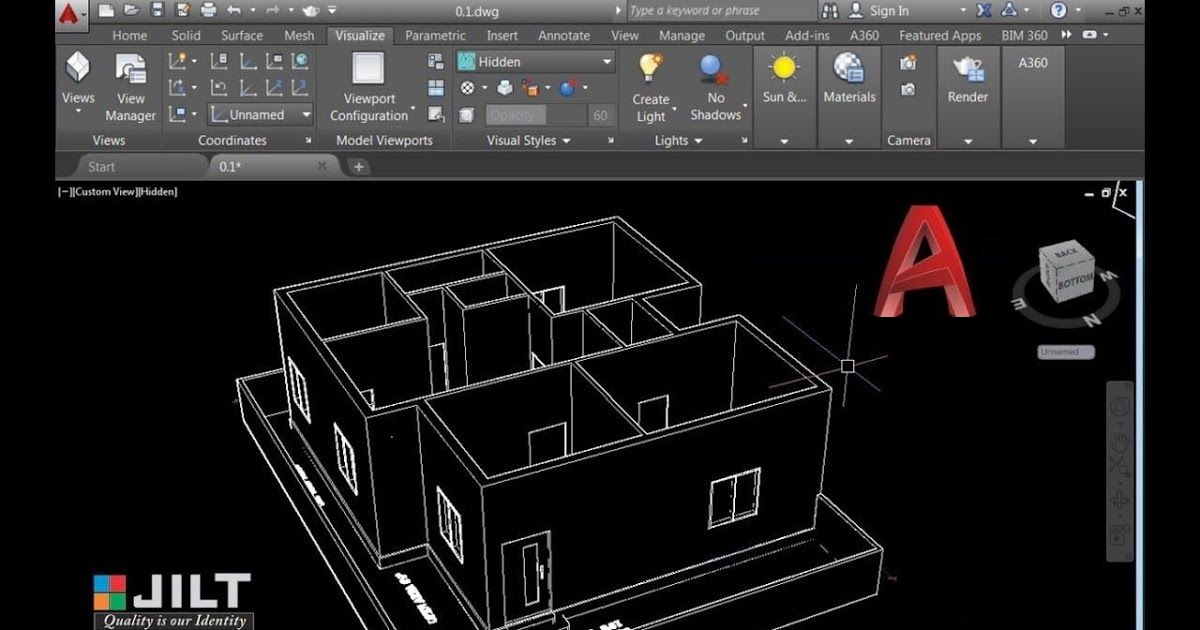

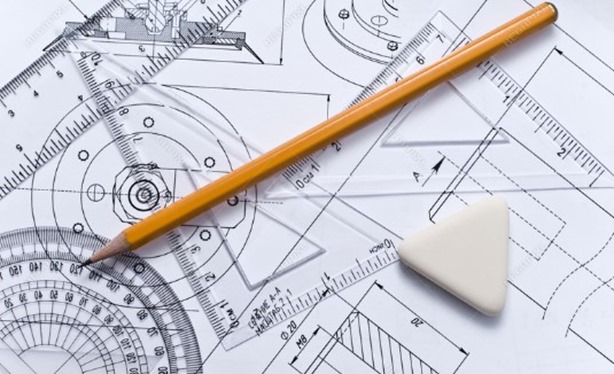
CE2021 S2 ENGINEERING GRAPHICS (NOEL)
Engineering Graphics is the art of manipulation of designs of a variety of components of engineering

CT2021 S6 MICROCONTROLLERS (ROJNA N)
Embedded systems are more than part of human life. For instance, one cannot imagine life without mobile phones for personal communication. Its presence is virtually unavoidable in almost all facets of human endeavor. Nearly every electronic product designed today includes at least one microcontroller or other embedded processor.
This course provides an in-depth understanding of the architecture, pin description, programming and Interfacing of the AVR (ATMega32) Microcontroller with various input and output peripherals.
CT2022 S6 MICROCONTROLLERS(6132- ROJNA N)
Embedded systems are more than part of human life. For instance, one cannot imagine life without mobile phones for personal communication. Its presence is virtually unavoidable in almost all facets of human endeavor. Nearly every electronic product designed today includes at least one microcontroller or other embedded processor.
This course provides an in-depth understanding of the architecture, pin description, programming and Interfacing of the AVR (ATMega32) Microcontroller with various input and output peripherals.
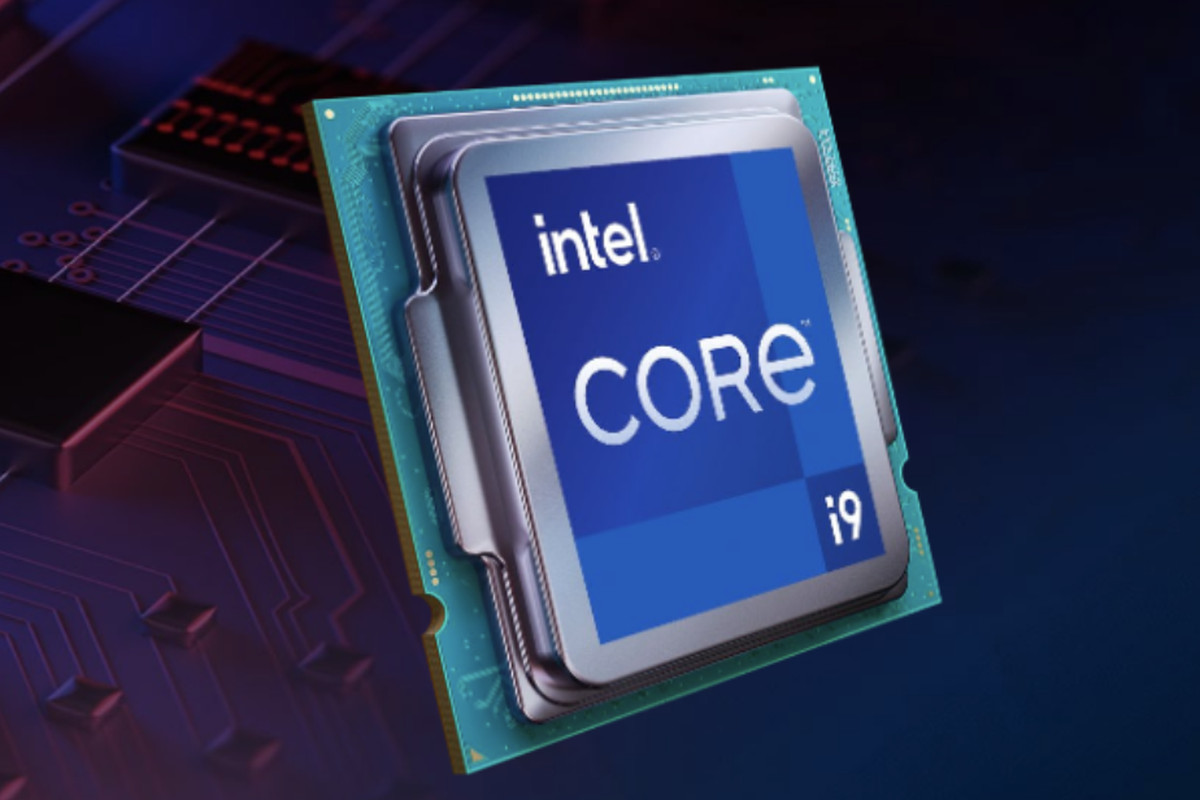
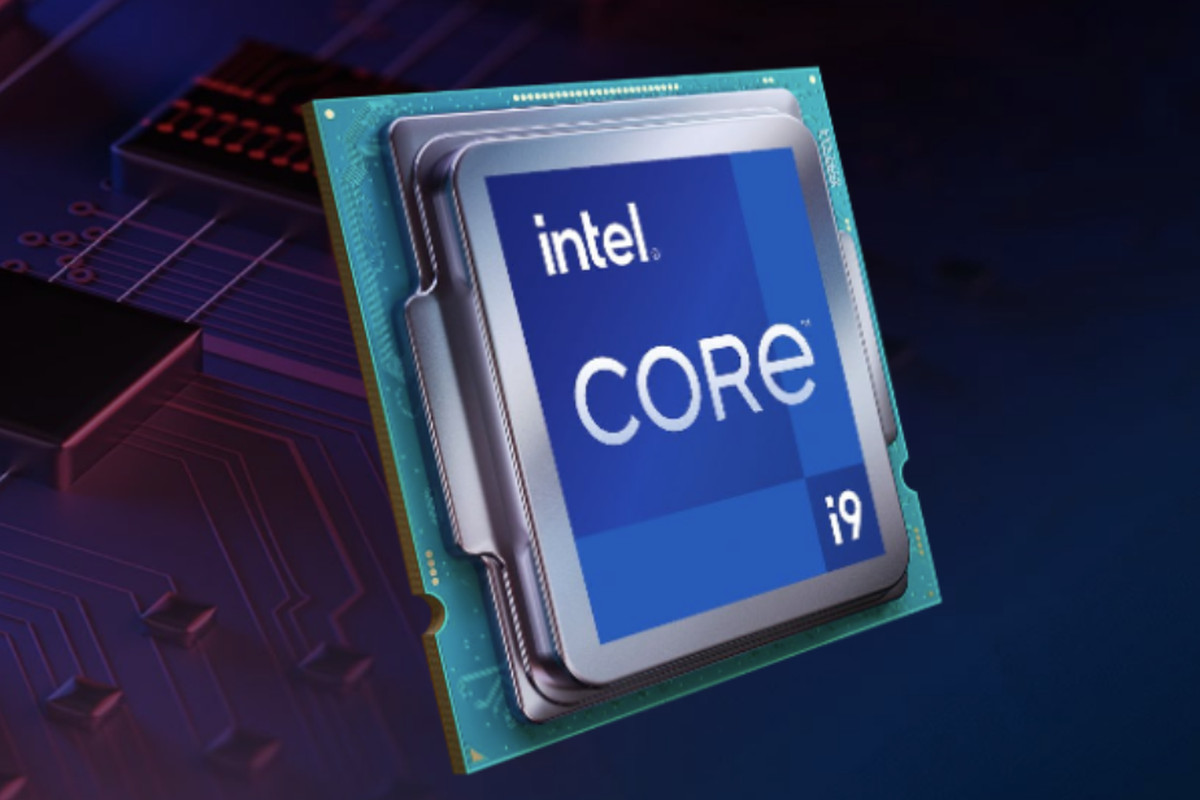
CT2022 S5 MICROPROCESSORS AND INTERFACING (Rojna N)
Microprocessors are used extensively in the design of any computing facility. It contains units to carry out arithmetic and logic calculations, fast storage in terms of registers and associated control logic to get instructions from memory and execute them.This course will start with a discussion on a simple microprocessor, 8086. Understanding this architecture is the basis to follow any other complex CPU architecture.
- Intel 8086 microprocessor is the enhanced version of Intel 8085 microprocessor. It was designed by Intel in 1976.
- The 8086 microprocessor is a 16-bit, N-channel, HMOS microprocessor. Where the HMOS is used for "High-speed Metal Oxide Semiconductor".
- Intel 8086 is built on a single semiconductor chip and packaged in a 40-pin IC package. The type of package is DIP (Dual Inline Package).
- Intel 8086 uses 20 address lines and 16 data- lines. It can directly address up to 220 = 1 Mbyte of memory.
- It consists of a powerful instruction set, which provides operation like division and multiplication very quickly.
- 8086 is designed to operate in two modes, i.e., Minimum and Maximum mode.

Application Development using Java (4136)
General Outcomes:
To develop a menu driven, GUI based user friendly database application using Java
Software Requirement: Java with GUI
CT2023 S6 MICROCONTROLLERS
Embedded systems are more than part of human life. For instance, one cannot imagine life without mobile phones for personal communication. Its presence is virtually unavoidable in almost all facets of human endeavor. Nearly every electronic product designed today includes at least one microcontroller or other embedded processor.
This course provides an in-depth understanding of the architecture, pin description, programming and Interfacing of the AVR (ATMega32) Microcontroller with various input and output peripherals.
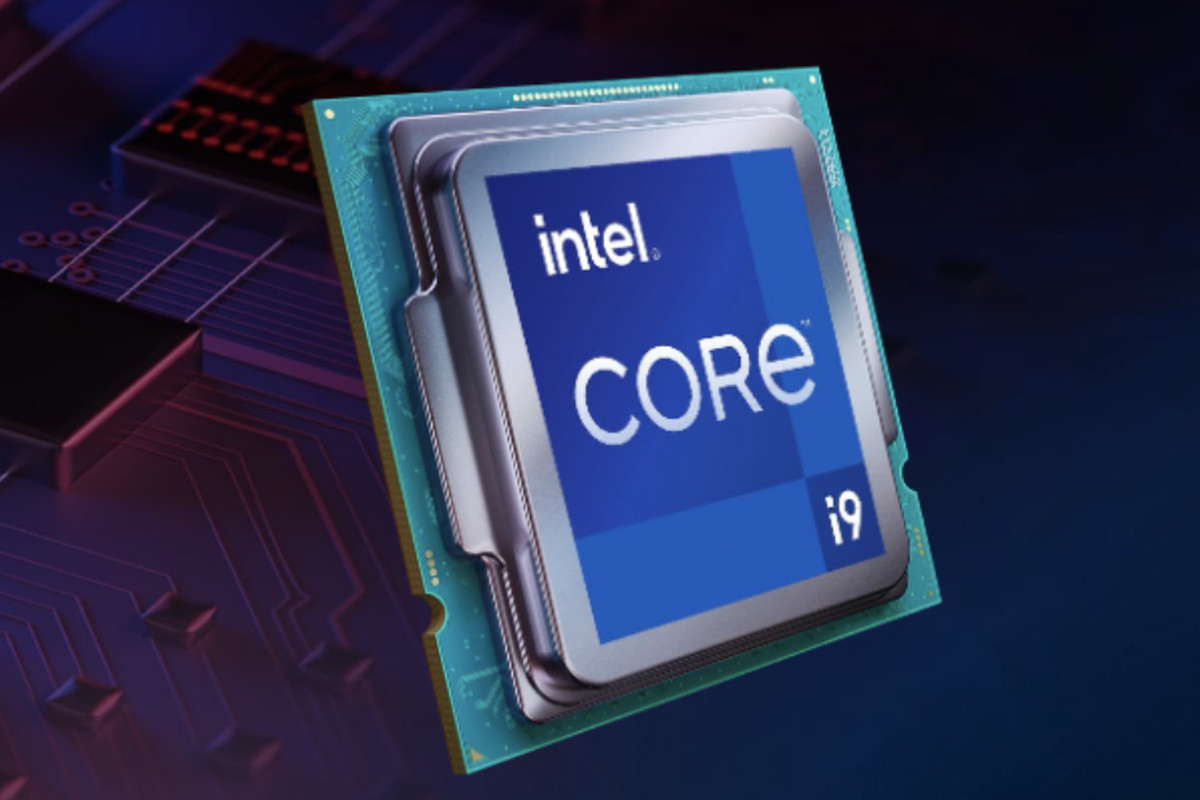
CT2023 S5 MICROPROCESSORS AND INTERFACING
Microprocessors are used extensively in the design of any computing facility. It contains units to carry out arithmetic and logic calculations, fast storage in terms of registers and associated control logic to get instructions from memory and execute them.This course will start with a discussion on a simple microprocessor, 8086. Understanding this architecture is the basis to follow any other complex CPU architecture.
- Intel 8086 microprocessor is the enhanced version of Intel 8085 microprocessor. It was designed by Intel in 1976.
- The 8086 microprocessor is a 16-bit, N-channel, HMOS microprocessor. Where the HMOS is used for "High-speed Metal Oxide Semiconductor".
- Intel 8086 is built on a single semiconductor chip and packaged in a 40-pin IC package. The type of package is DIP (Dual Inline Package).
- Intel 8086 uses 20 address lines and 16 data- lines. It can directly address up to 220 = 1 Mbyte of memory.
- It consists of a powerful instruction set, which provides operation like division and multiplication very quickly.
- 8086 is designed to operate in two modes, i.e., Minimum and Maximum mode.
CT2023 S3 Object Oriented Programming Lab (NIta Balachandran)
CT2023 S3 Object Oriented Programming Lab
CT2023 PROGRAMMING IN C LAB
At the end of the Course, the students will be able to
- Develop the logic to solve the given problem.
- Understand the concepts of constants, variables, data types and operators.
- Develop programs using input and output operations.
- Write programs using decision control structures in C.
- Write programs using loop control structures in C.
- Write programs using case control structures in C.
- Write programs based on arrays.
- Write Programs using string handling functions.
- Write programs using user-defined functions,
- Write programs using structures
- Write programs using the concept of Pointers.
CT2023 S2 LIFE SKILL
COURSE OUTCOME:
Providing direction for the next generation and equipping them for successful living.
Specific Outcome:
- To make students aware of their thinking styles and to enable them to convert thinking into performance
- To make students learn and practice the steps involved in time management
- To give training for positive thinking which will keep the students in a good stead at the time of crisis.
- To translate performance of skills into efficient habits
- To make students understand the concept and components of personality, thereby to apply the acquired knowledge to themselves and to march towards excellence in their respective academic careers.
- To bring out creativity and other latent talents with proper goal setting so that selfesteem gets enhanced.
- To train students in order to ground concepts/ideas in their own experience
- To give inputs on some of the important interpersonal skills such as group decisionmaking, negotiation and leadership skills.
- Introduce the basic concepts of body language for conflict management.
- To enable students to convert the conceptual understanding of communication into everyday practice.
- To help students understand the mechanism of stress particularly negative emotions such as anxiety, anger and depression for effective management.
CT2024 S5 Embedded Systems and Realtime OS
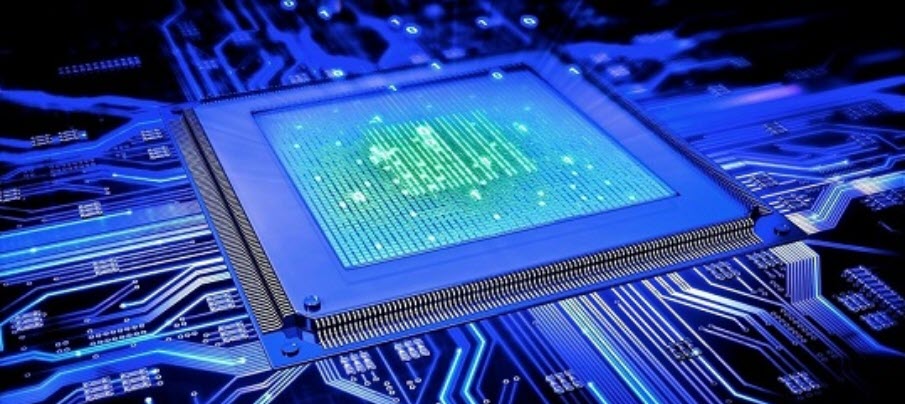
Embedded systems are more than part of human life. For instance, one cannot imagine life without mobile phones for personal communication. Its presence is virtually unavoidable in almost all facets of human endeavor. Nearly every electronic product designed today includes at least one microcontroller or other embedded processor.
This course provides an in-depth understanding of the architecture, pin description, programming and Interfacing of the AVR (ATMega32) Microcontroller with various input and output peripherals.
CT2024 S2 Fundamentals of Electrical & Electronics Engg (Sreetha)
CT 2024 S2 Fundamentals of Electrical & Electronics Engg
S5 CT 5131 ES & RTOS
Embedded systems are more than part of human life. For instance, one cannot imagine life without mobile phones for personal communication. Its presence is virtually unavoidable in almost all facets of human endeavor. Nearly every electronic product designed today includes at least one microcontroller or other embedded processor.
This course provides an in-depth understanding of the architecture, pin description, programming and Interfacing of the AVR (ATMega32) Microcontroller with various input and output peripherals.



EE2022 S5 Renewable Energy Sources (ARUN RAJ N) (2021 -2022)
EE2022 S5 Renewable Energy Sources (ARUN RAJ N)


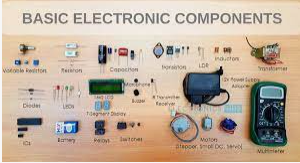
Analog Devices & Circuits
On completion of this course the student will be able:
MODULE-1
1 To understand the working of rectifiers.
2 To know the working of wave shaping circuits.
MODULE-2
1 To understand different types of amplifier circuits.
2 To understand the feedback concept.
MODULE-3
1 To understand the oscillator circuits.
2 To understand the multi-vibrator circuits.
MODULE-4
1 To know the principle of operation of op-amp.
2 To understand the applications of op-amp.
EE2023 S3 Fundamentals of AC Systems (ARUN RAJ N) ( 2021 - 2022 )
EE2023 Fundamentals of AC Systems (ARUN RAJ N)








CH-2022-S4 Petroleum & Energy Engineering (Ardra Vijayan)
CH2022 S4 Petroleum & Energy Engineering